Also known as the Blue cattle tick, Texas cattle fever tick, cattle fever tick
Hosts
Cattle, horse, sheep, dog
Distribution
Central and southern regions of the Mediterranean
Pathogenesis
Cattle: Babesia bigemina, Babesia bovis, Anaplasma marginale
Description
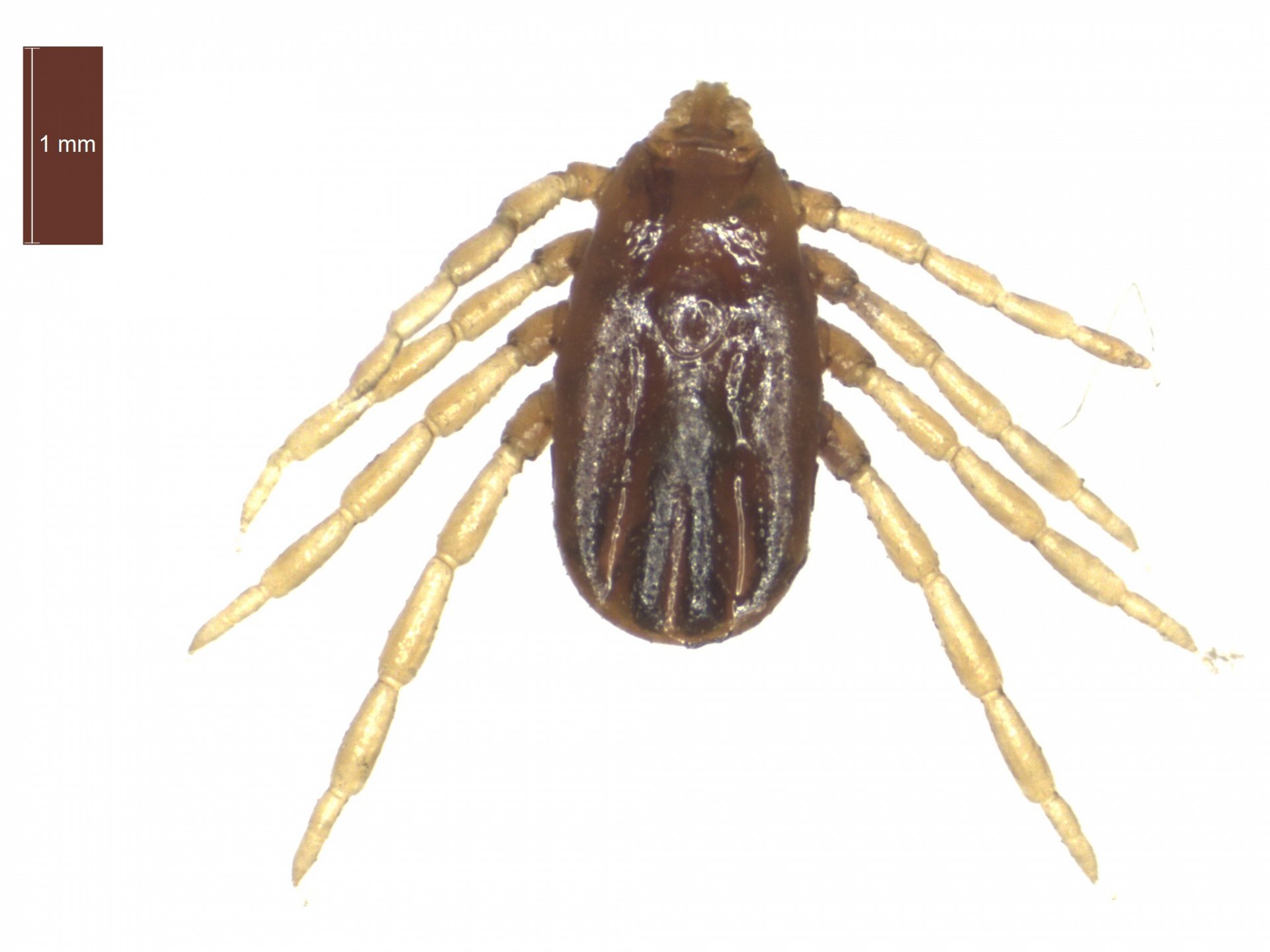
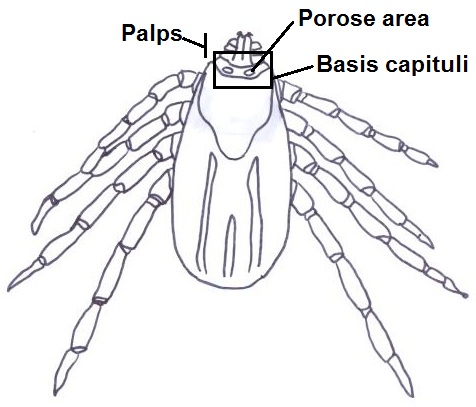
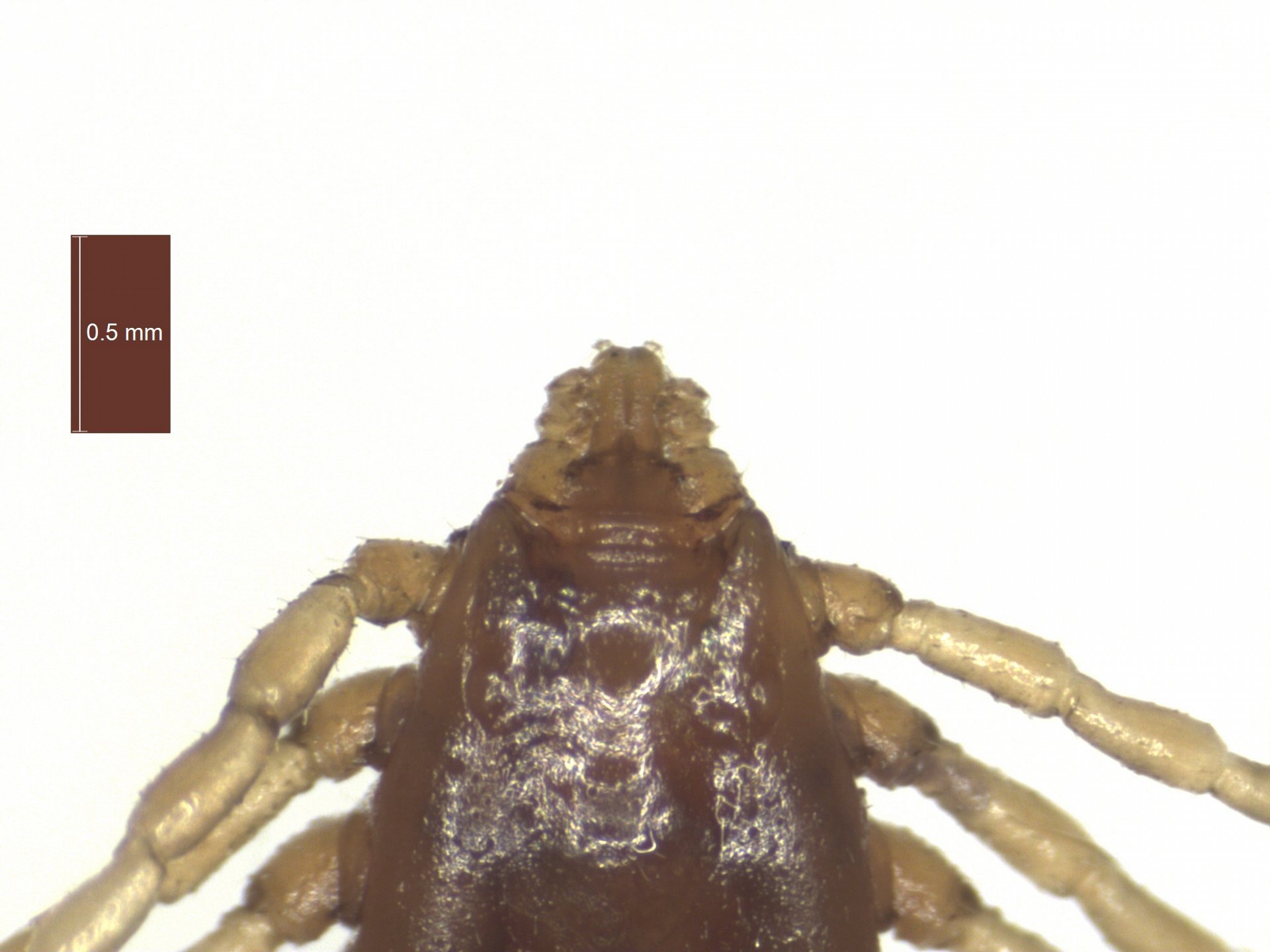
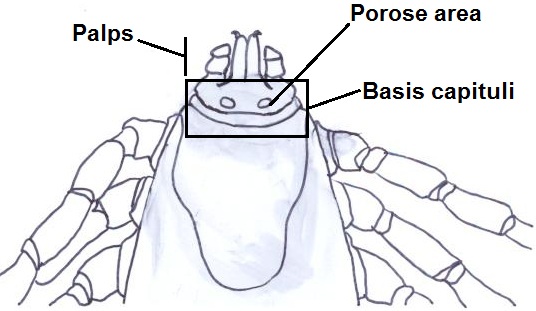
Adult female dorsal features
- Porose areas are broad and oval
- Palps are ridged dorsally and laterally
- Basis capituli is hexagonal dorsally
- Unfed females can measure 2.0mm-3.0mm in length
- Engorged females can measure up to 12mm in length
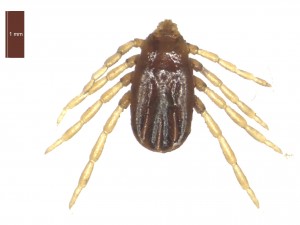
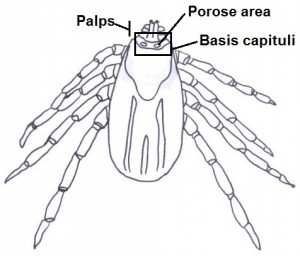
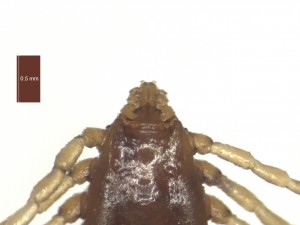
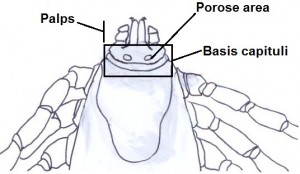
Adult female dorsal view and adult female close up of gnathosoma. (Click on pictures for a close up)
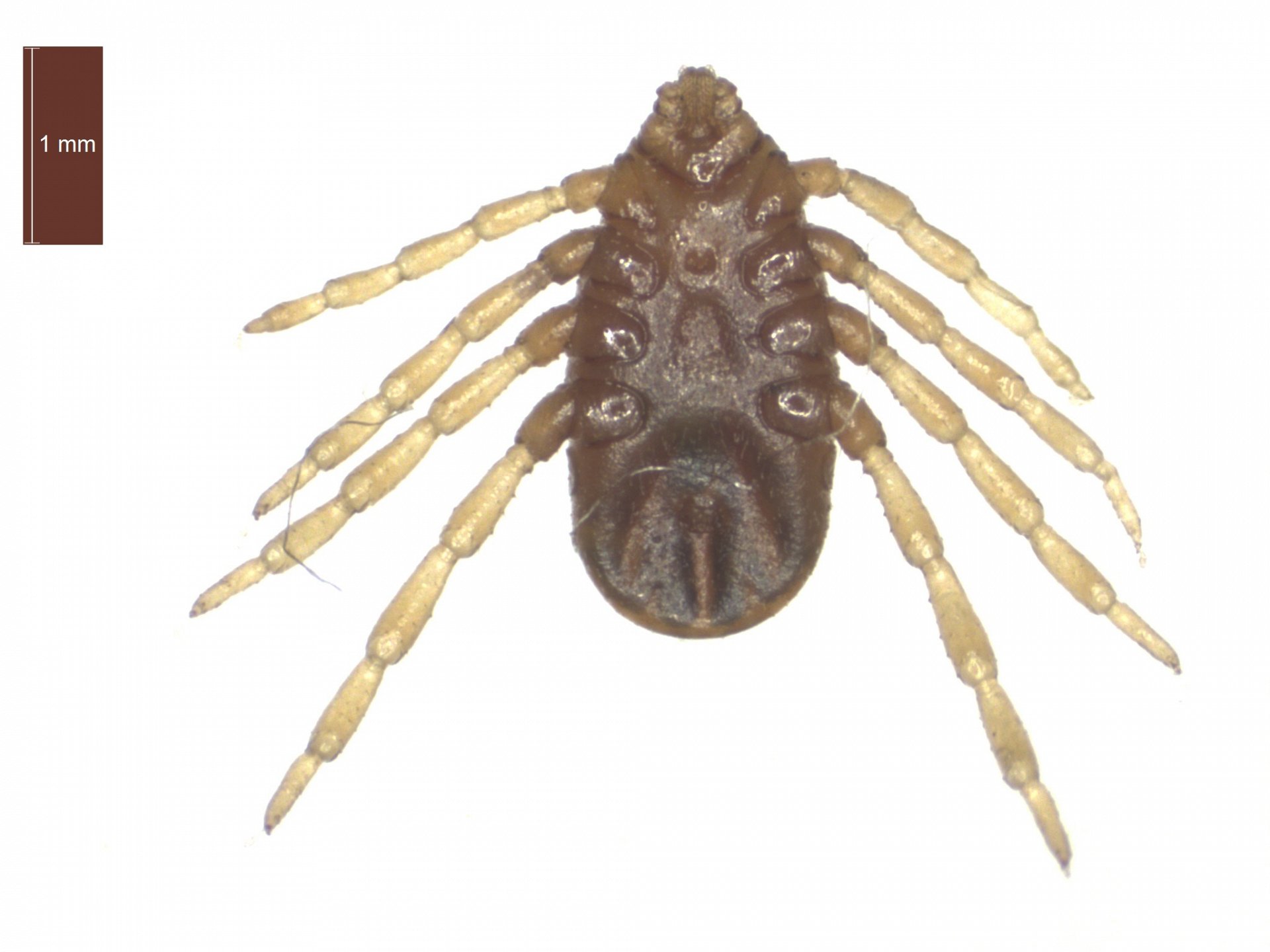
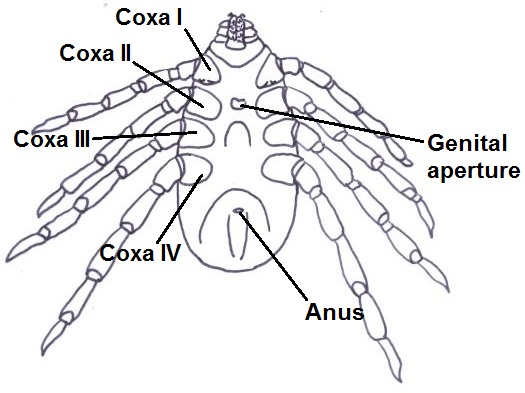
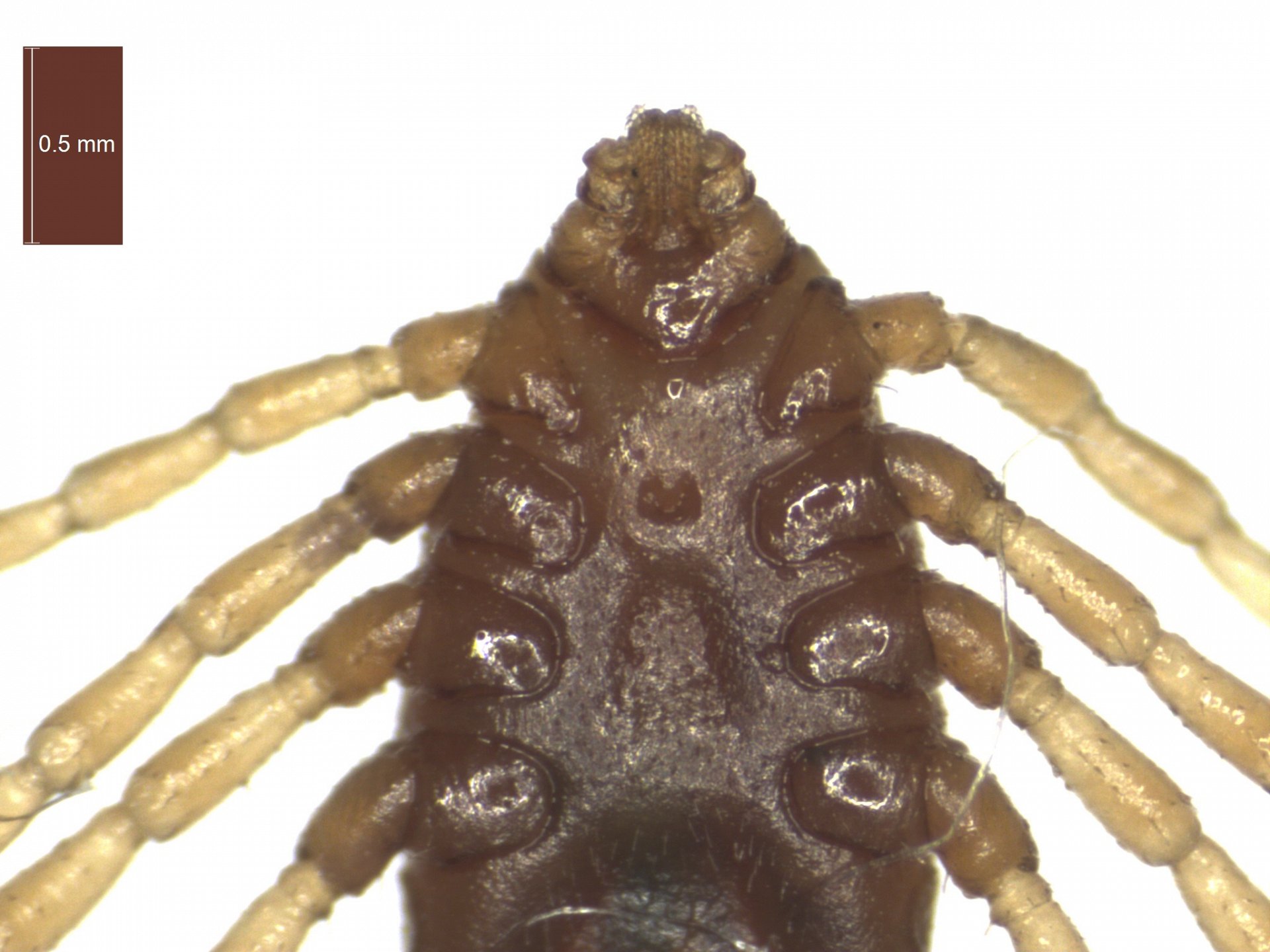
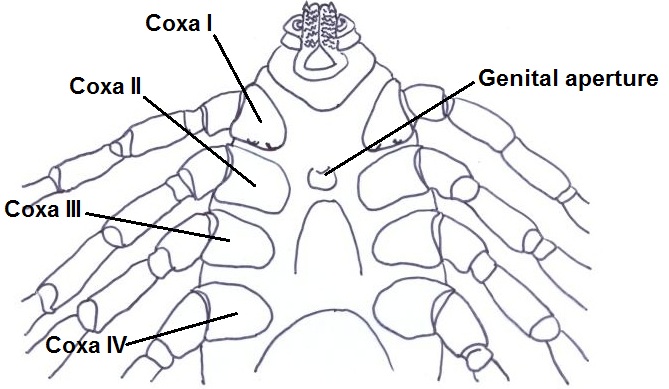
Adult female ventral features
- Coxae I: indistinct paired internal and external spurs
- Coxae II-IV: internal and external spurs absent
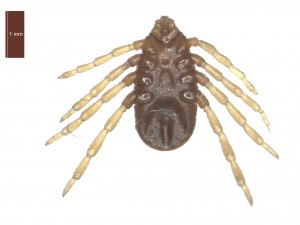
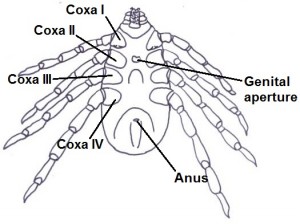
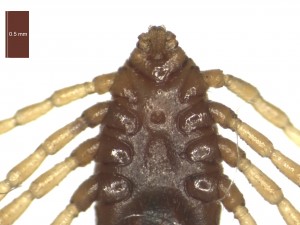
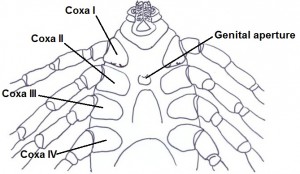
Adult female ventral view and adult female close up of coxae/ventral gnathosoma. (Click on pictures for a close up)
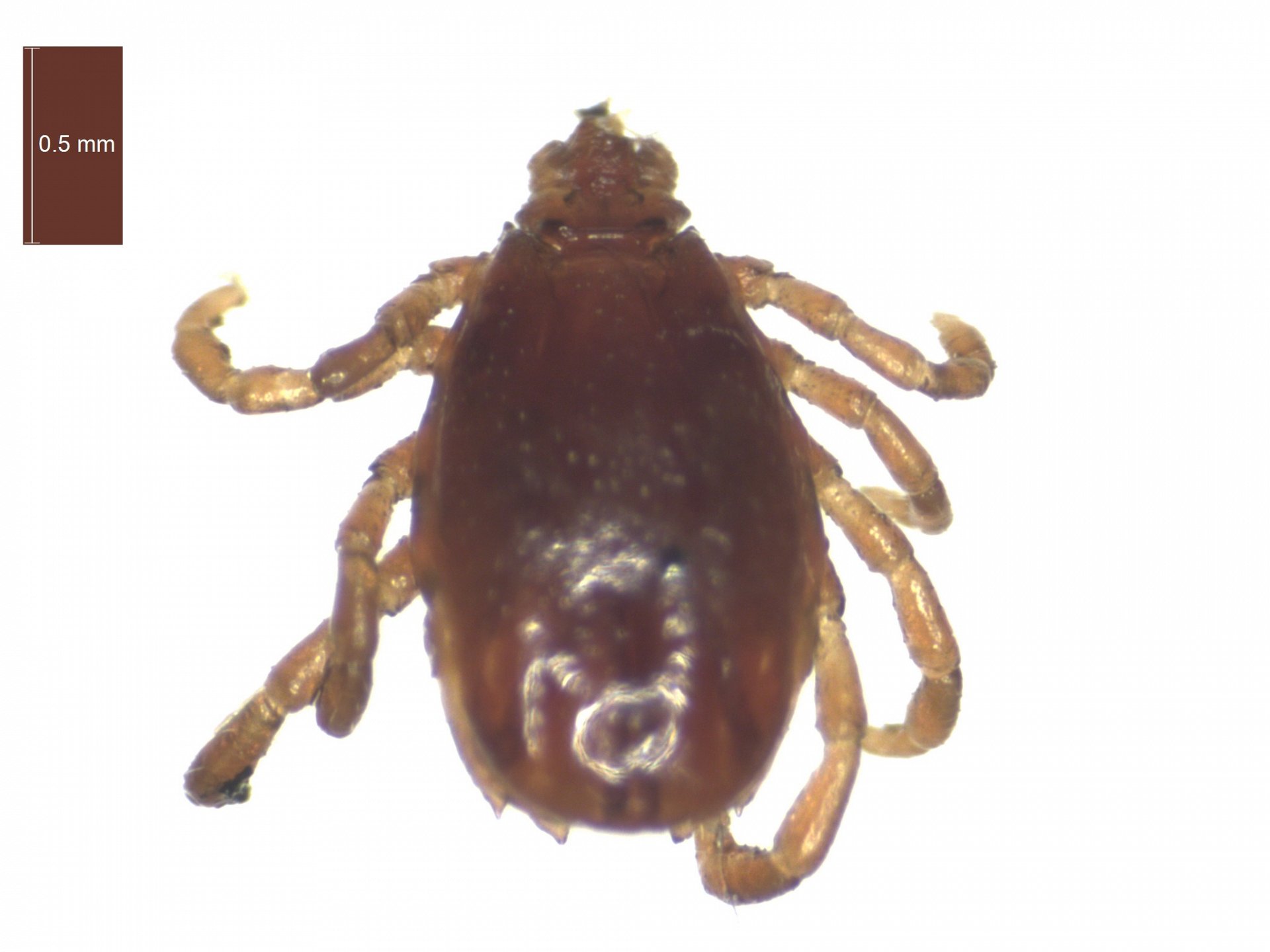
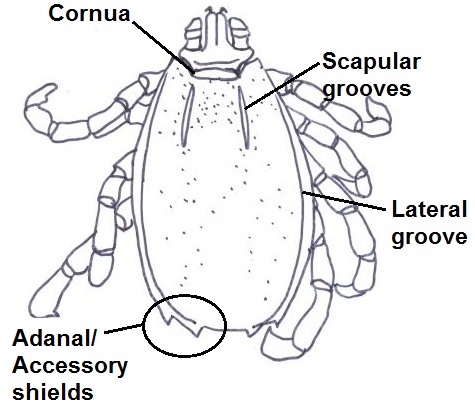
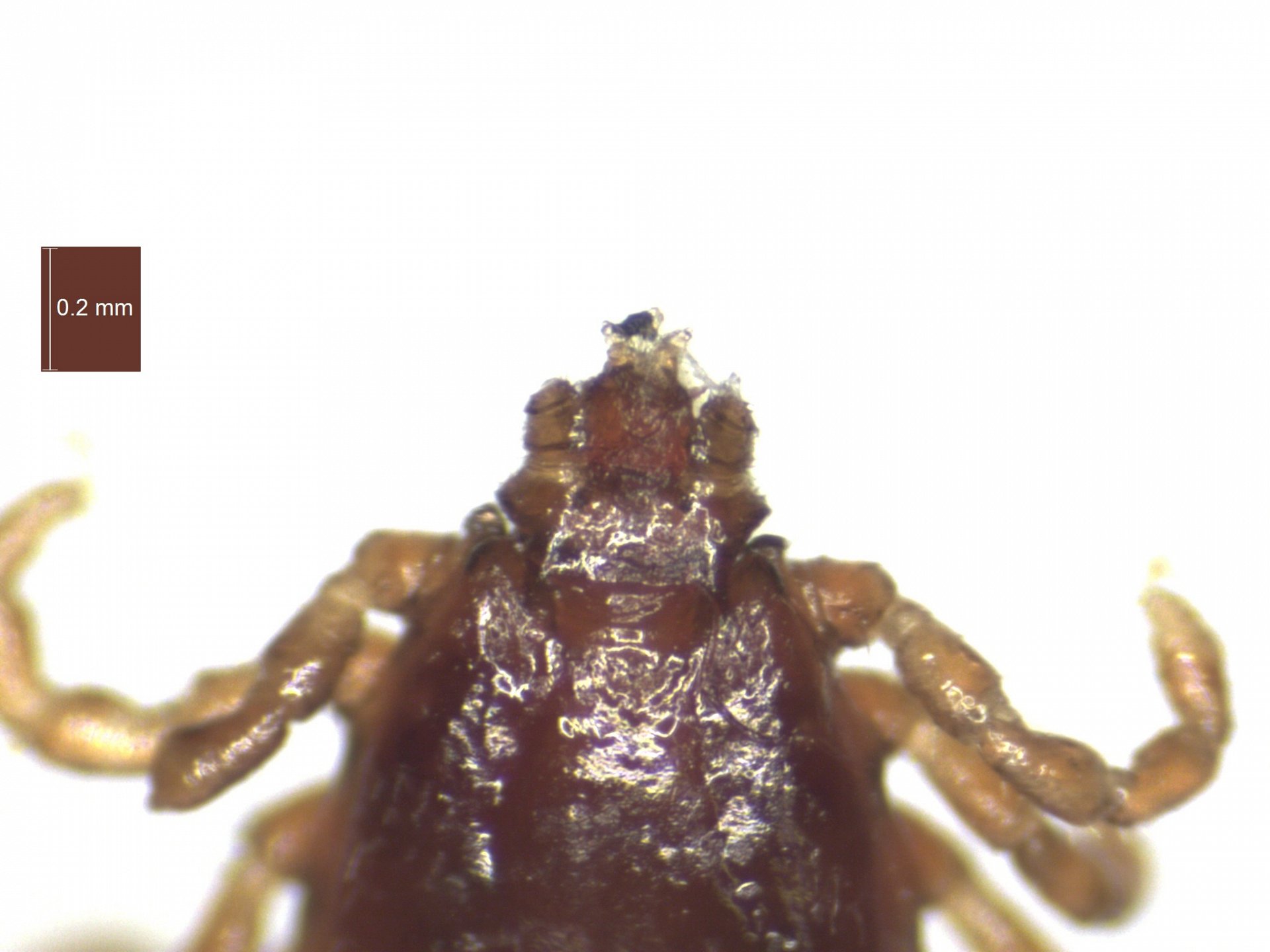
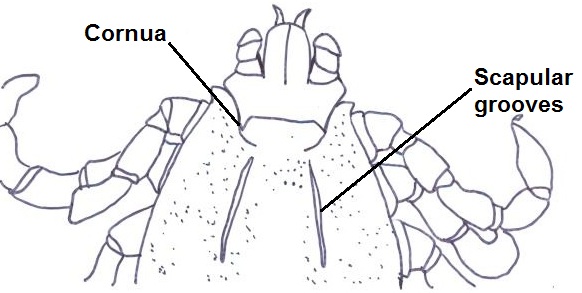
Adult male dorsal features
- Cornua are distinct
- Caudal appendage is absent
- Ventral plates are not visible dorsally
- Adanal shields and accessory adanal shields may be visible dorsally in fed males
- Can measure between 2.0mm-3.0mm in length
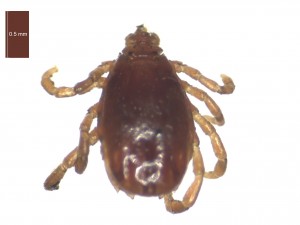
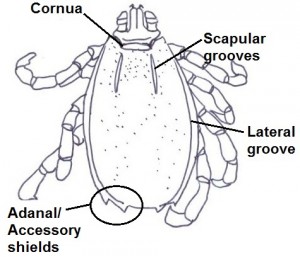
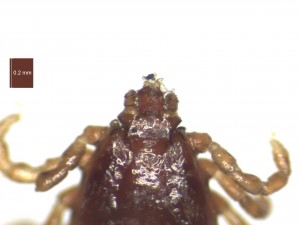
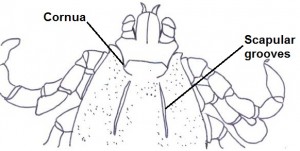
Adult male dorsal view and adult male close up of gnathosoma. (Click on pictures for a close up)
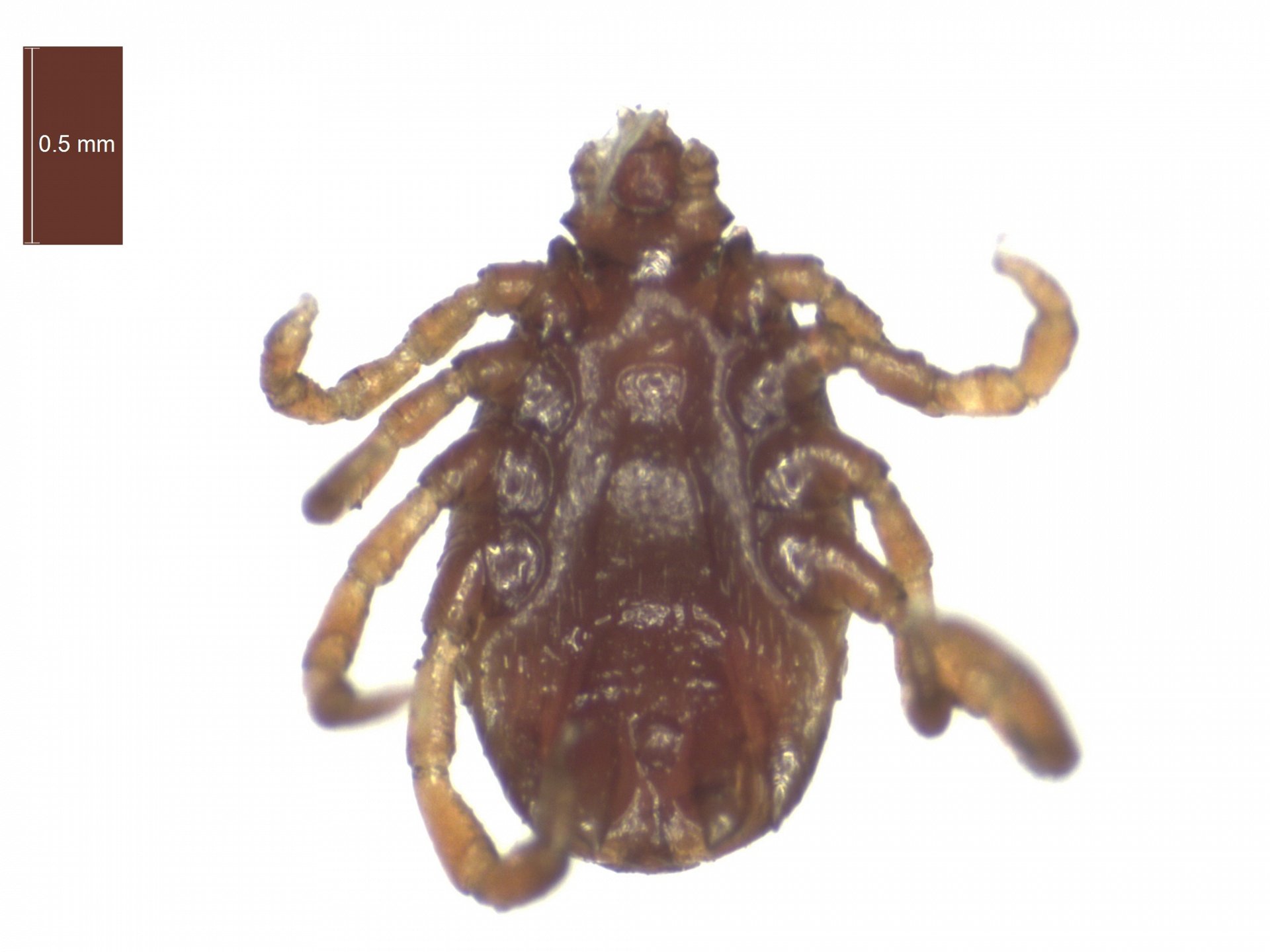
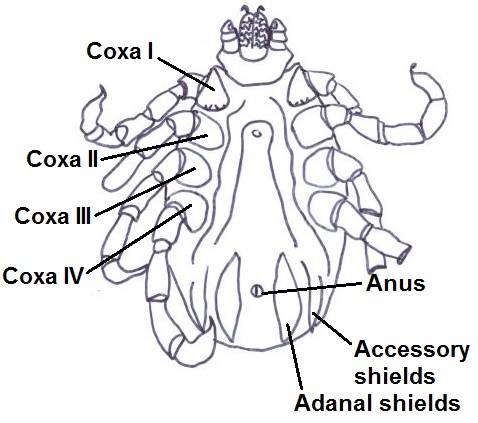
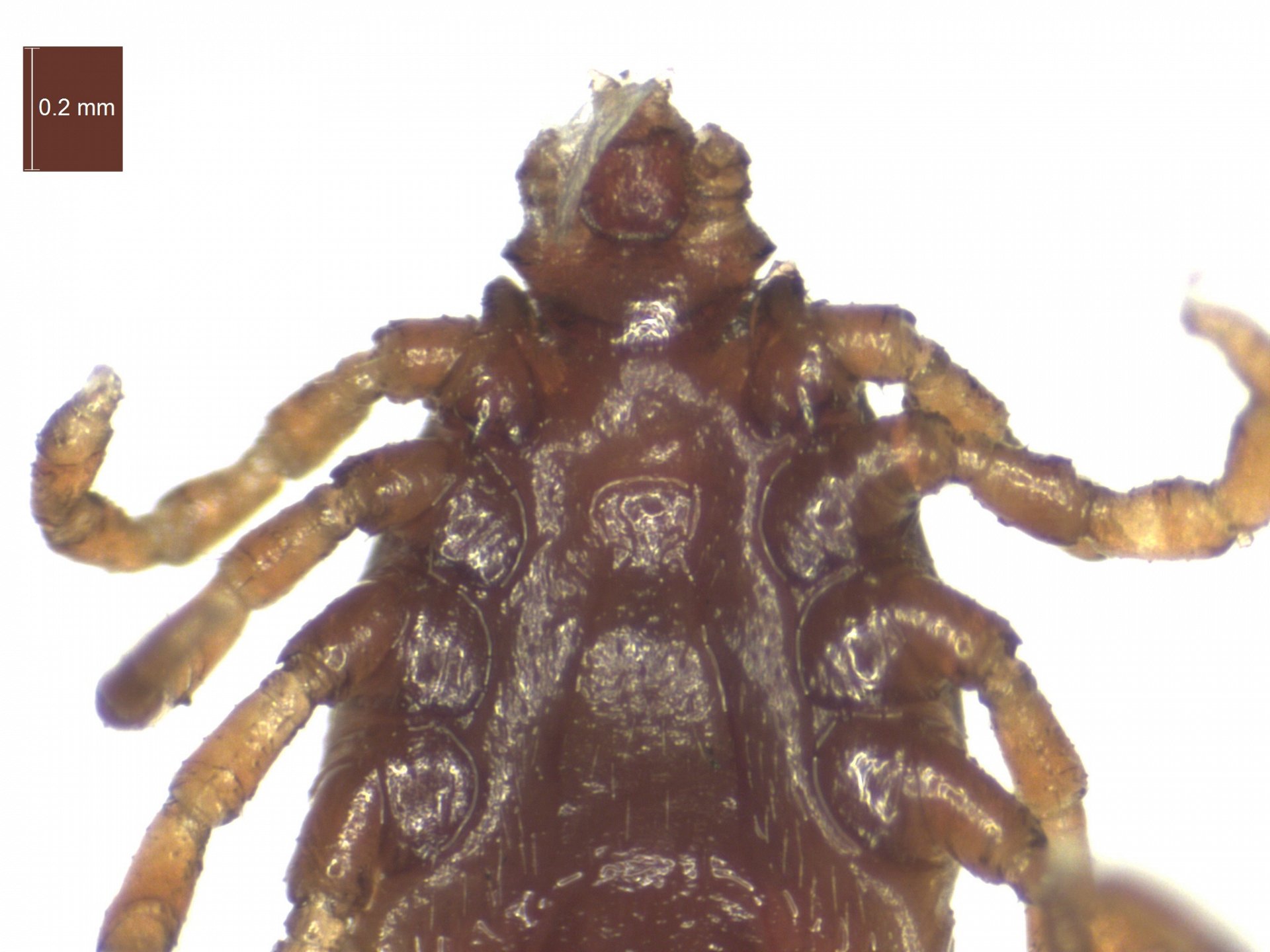
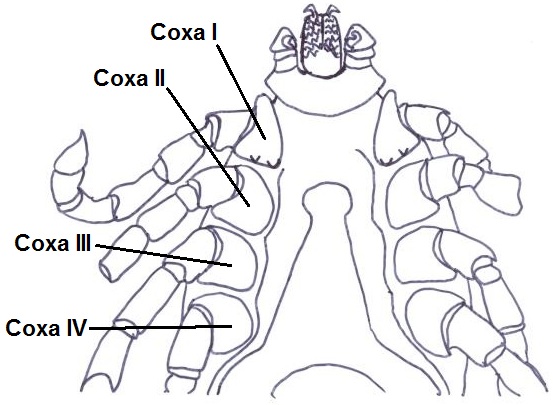
Adult male ventral features
- Coxae I: paired, unequal short internal and external spurs
- Coxae II-IV: internal and external spurs absent
- Ventral plate spurs are indistinct
- Accessory adanal shields are present and large
- Adanal shields are present
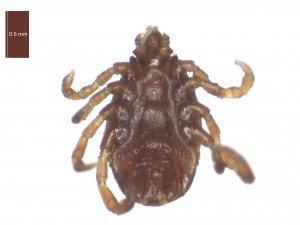
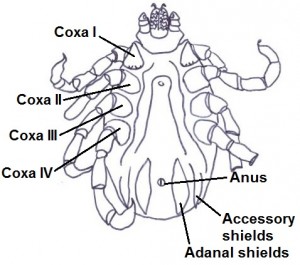
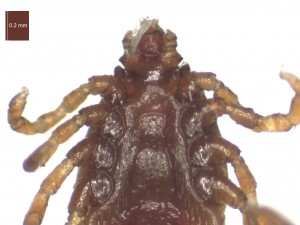
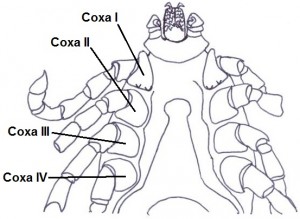
Adult male ventral view and adult male close up of coxae/ventral gnathosoma. (Click on pictures for a close up)